Time for Provincial Status

Peshawar Division, with a population of 10.04 million and a land area of 9,134 km², is larger in population than over 140 sovereign countries. Despite its strategic location as a historic trade gateway and its massive economic potential, the division faces severe systemic underdevelopment, chronic governance challenges, and deep infrastructural neglect. Approximately 38.5% of its children (over 1.1 million ) are out of school, and local communities face alarming public health, environmental, and water crises. Advocates argue that granting provincial status or administrative autonomy could be a vital game changer ensuring equitable budget distribution, localized governance, and the rapid, balanced development this critical region desperately requires.
Key Socio-Economic Indicators
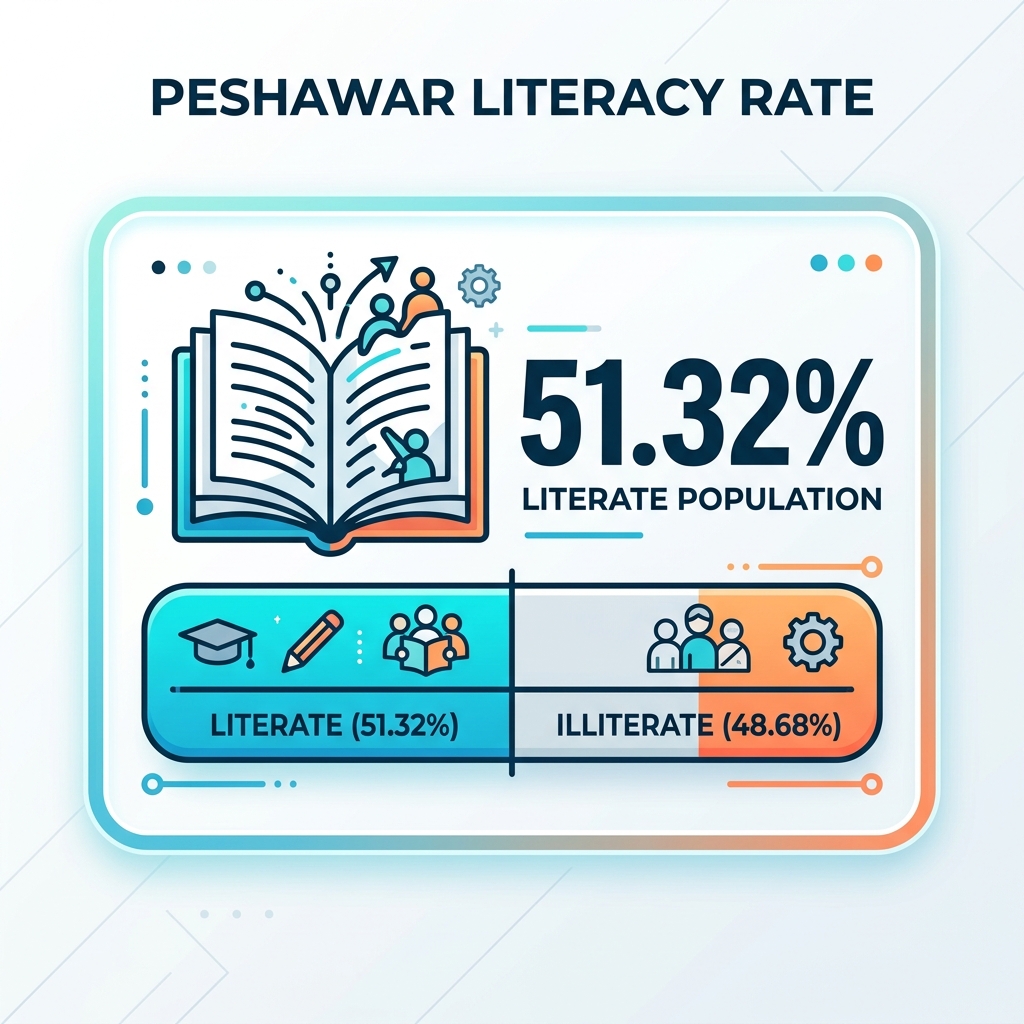
Literacy Rate 51.32%
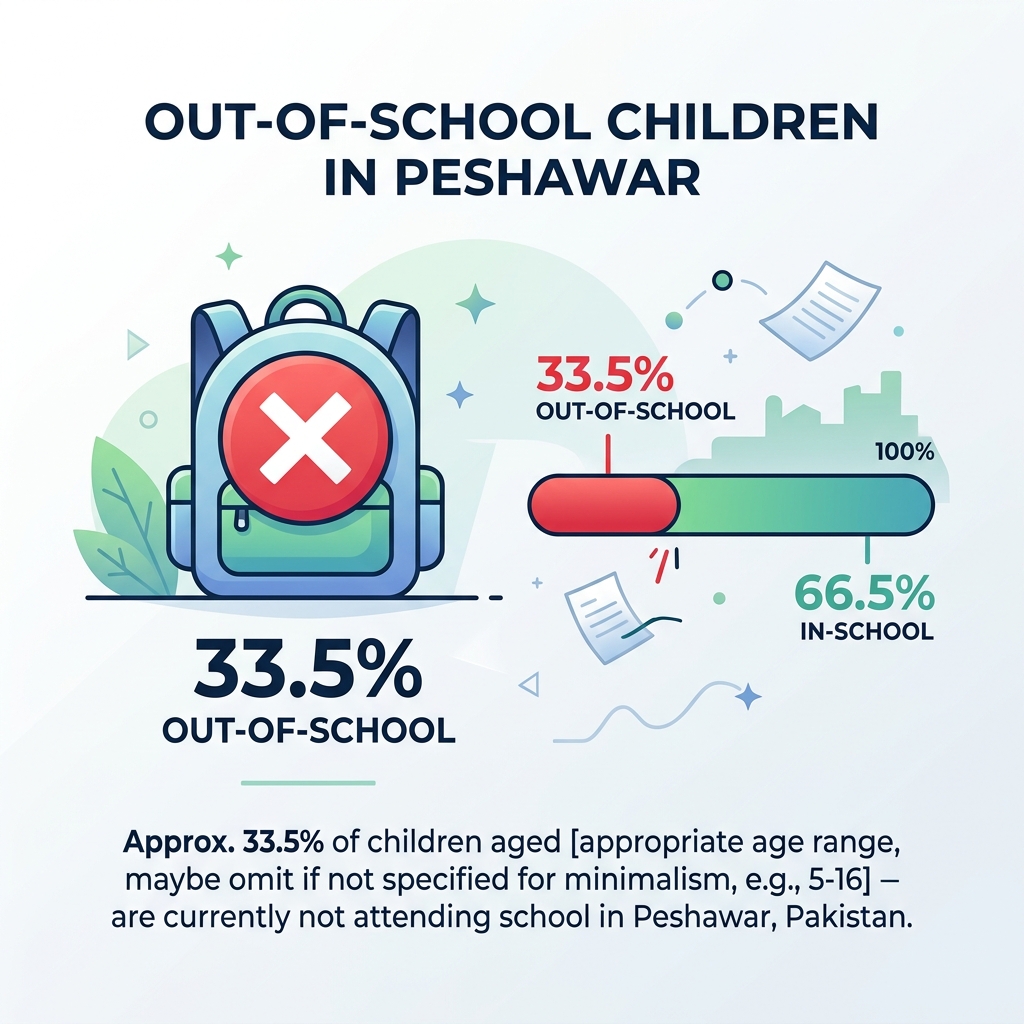
Out-of-School Children 33.5%
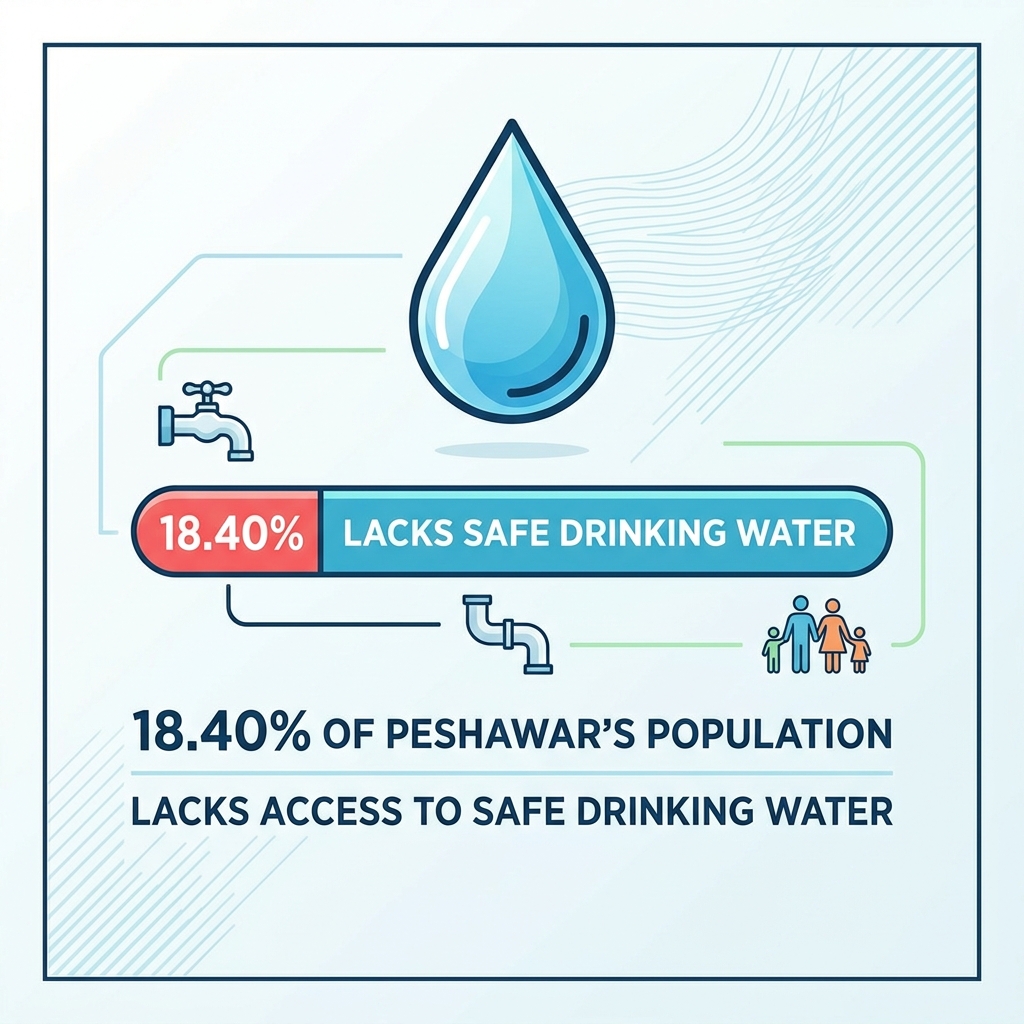
Lacking Safe Drinking Water 18.40%
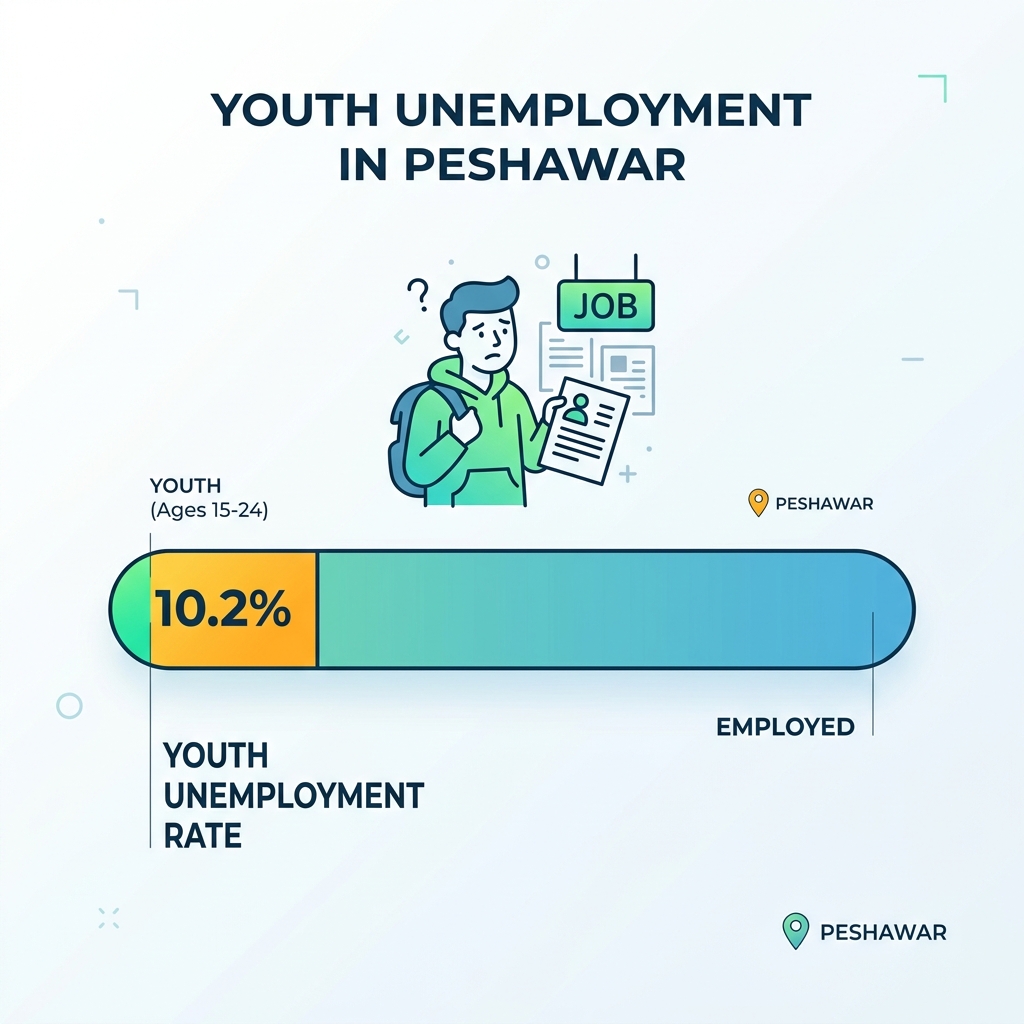
Youth Unemployment 10.2%
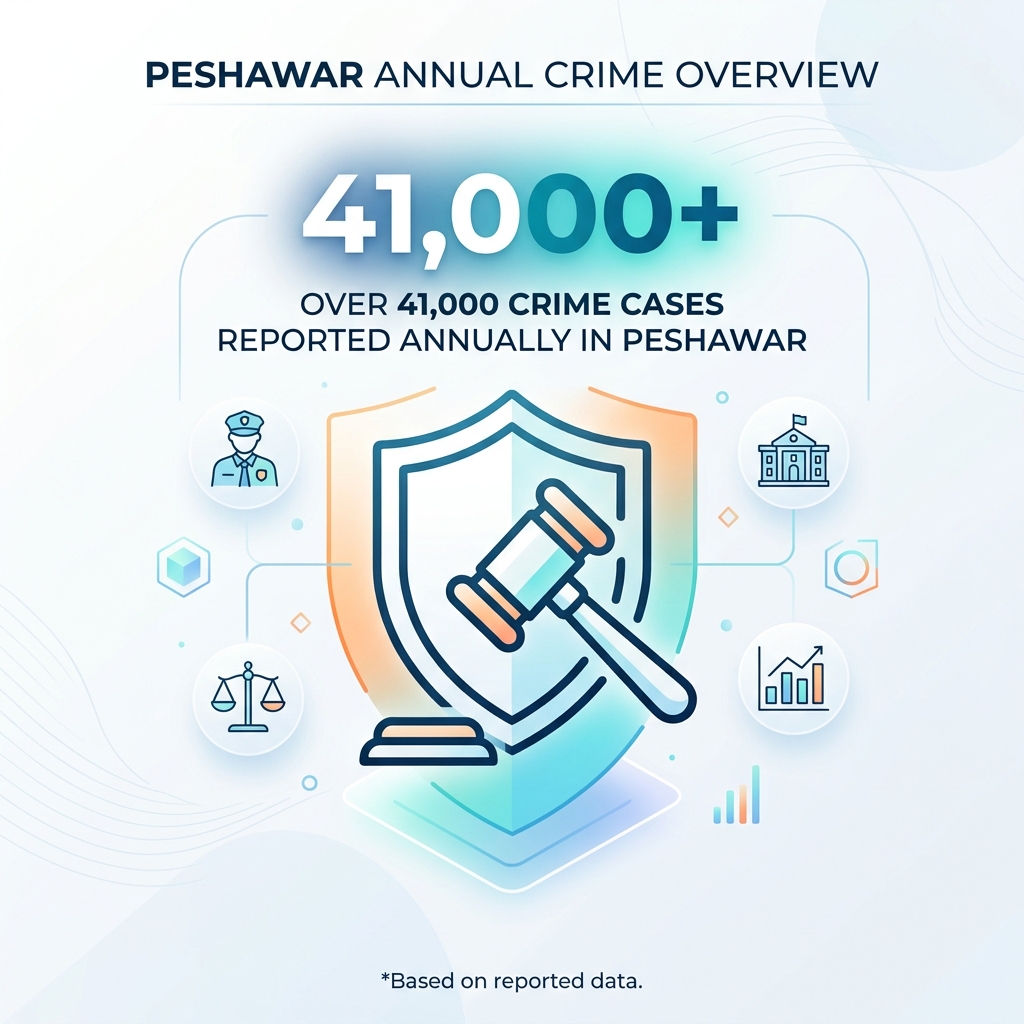
Annually Registered Crime Cases Over 41,000
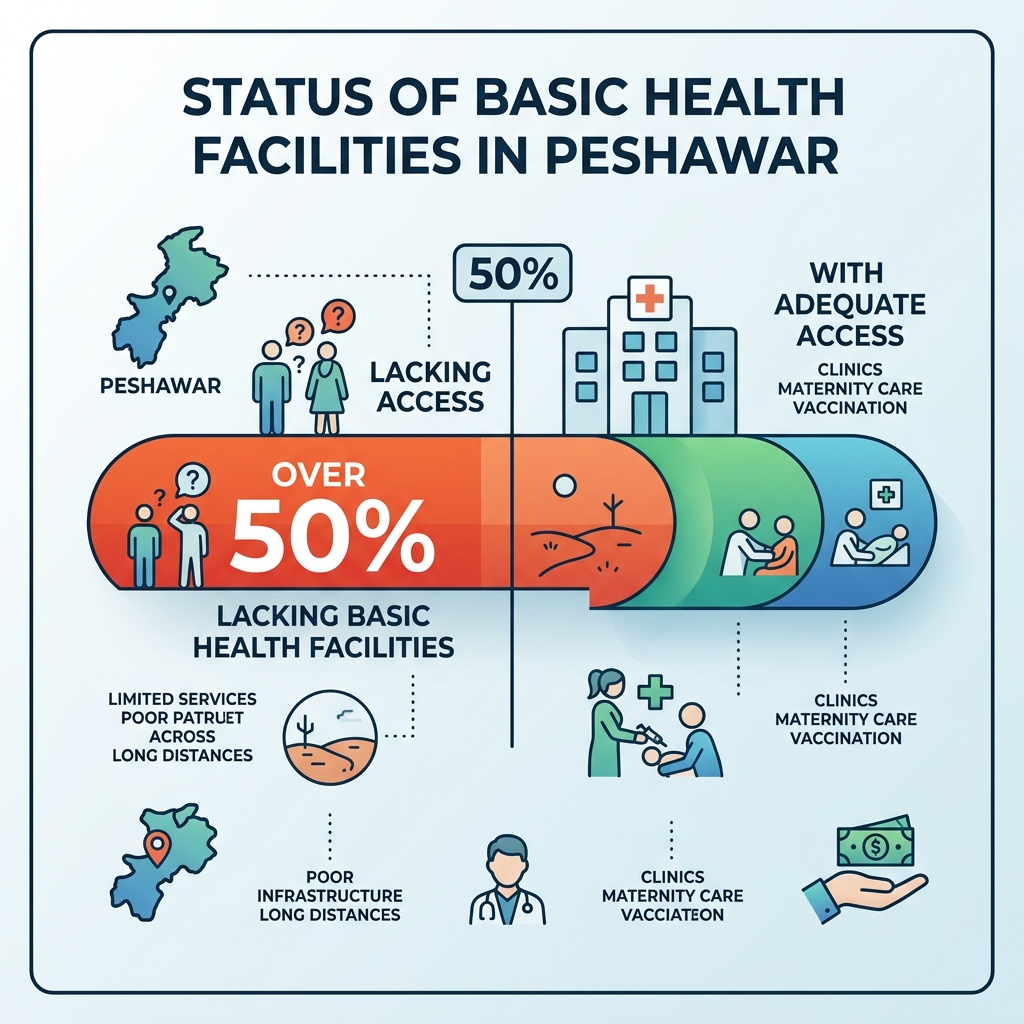
Lacking Basic Health Facilities Over 50%
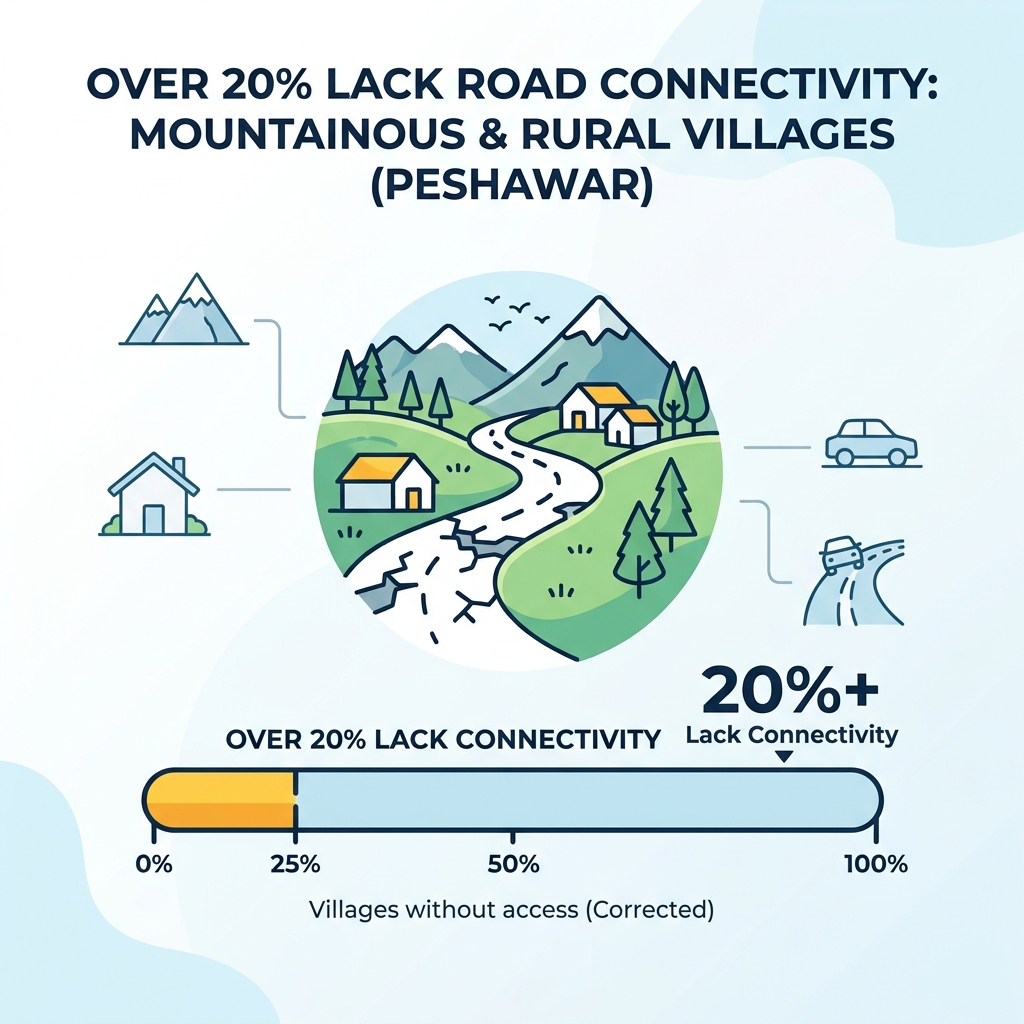
Lacking Road Connectivity Over 20%
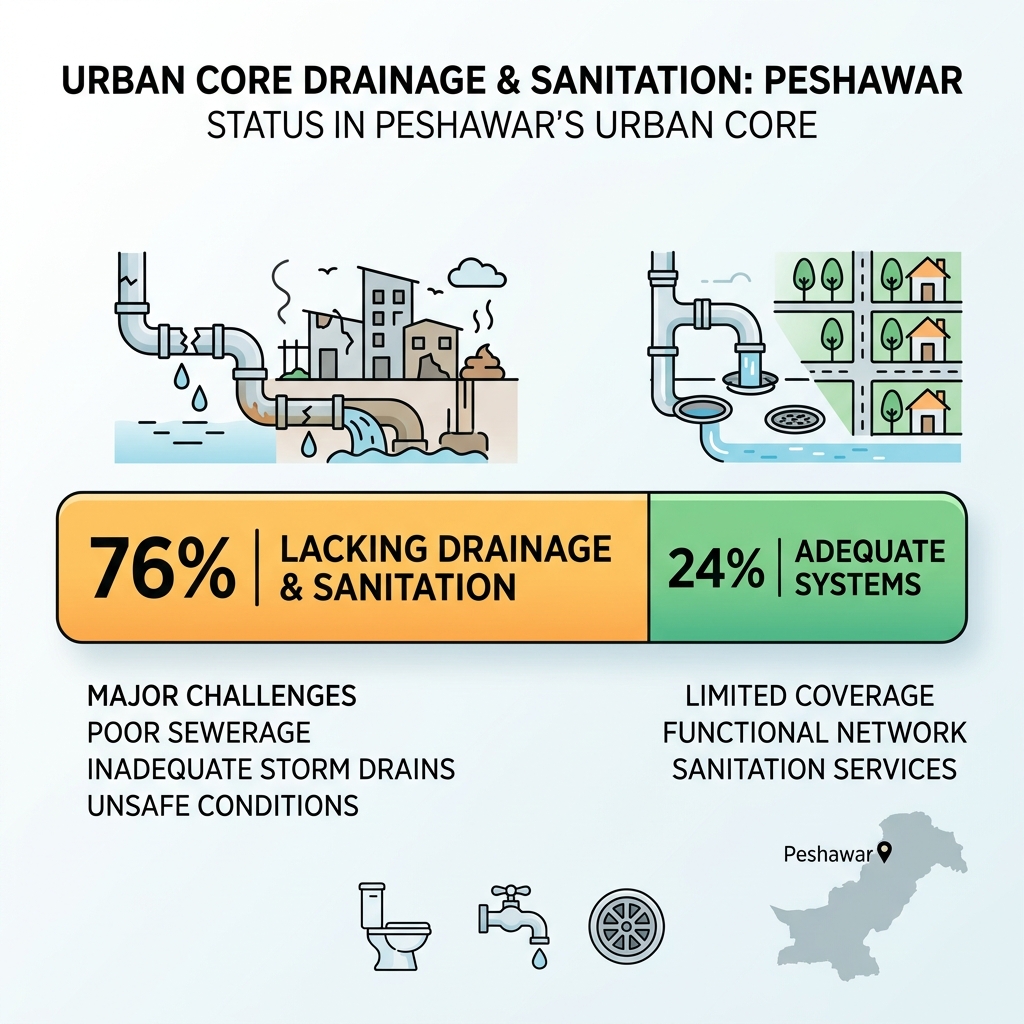
No Drainage and Sanitation 76% urban / up to 51% rural
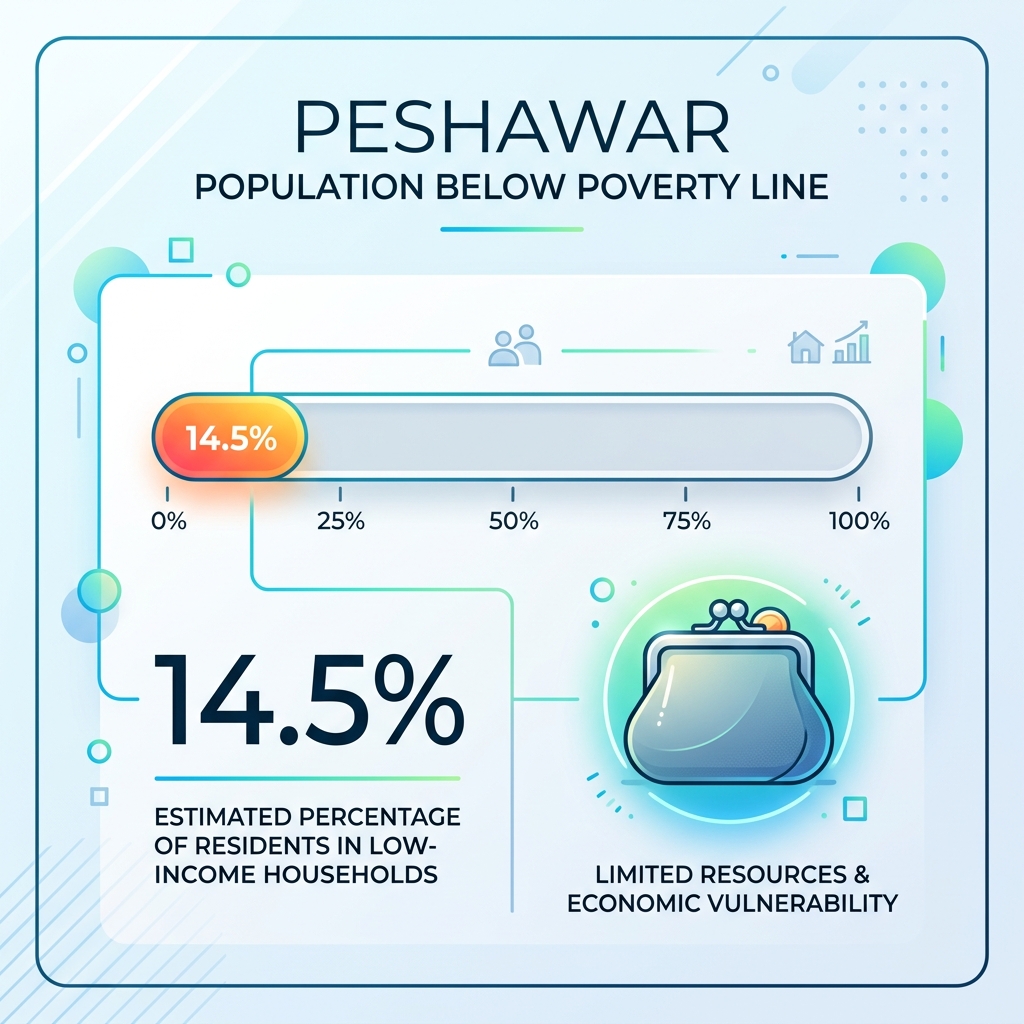
Population below the Poverty Line 14.5%
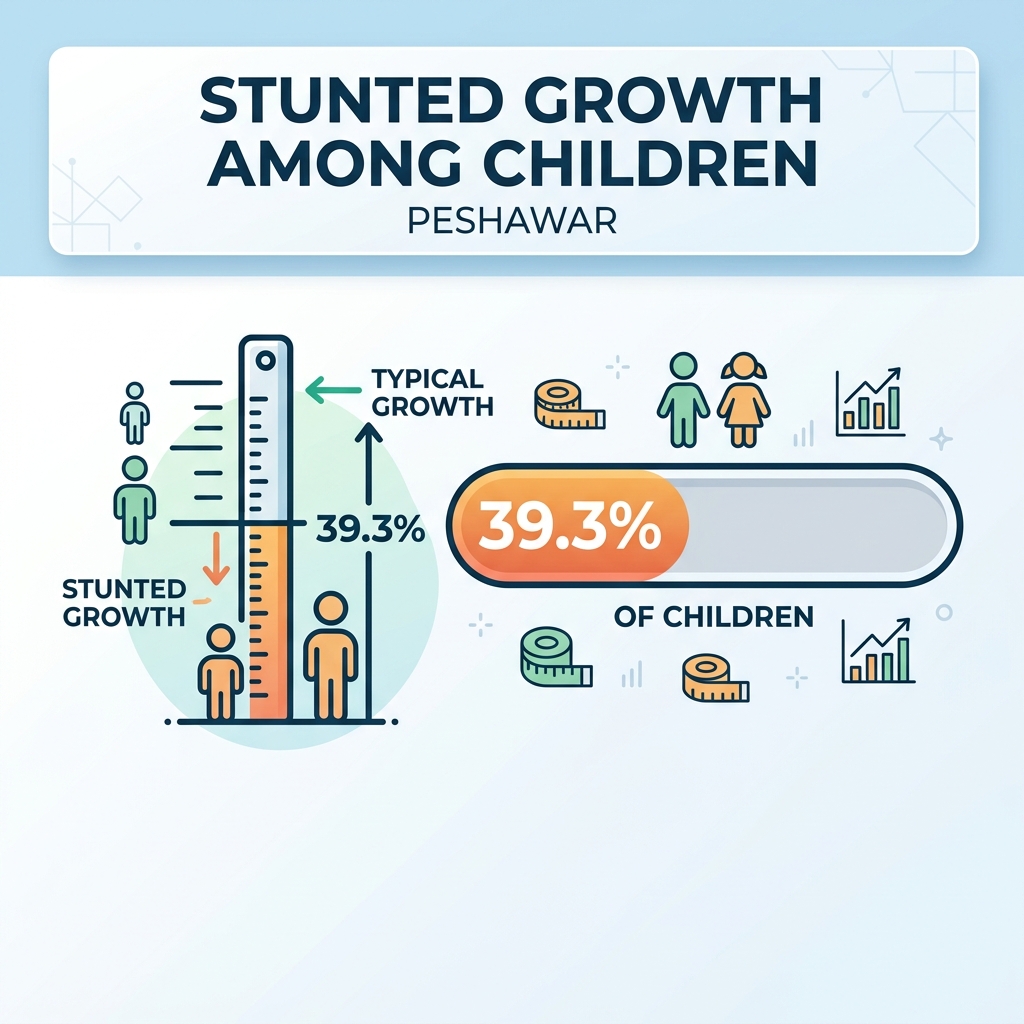
Children Stunted Growth 39.3%
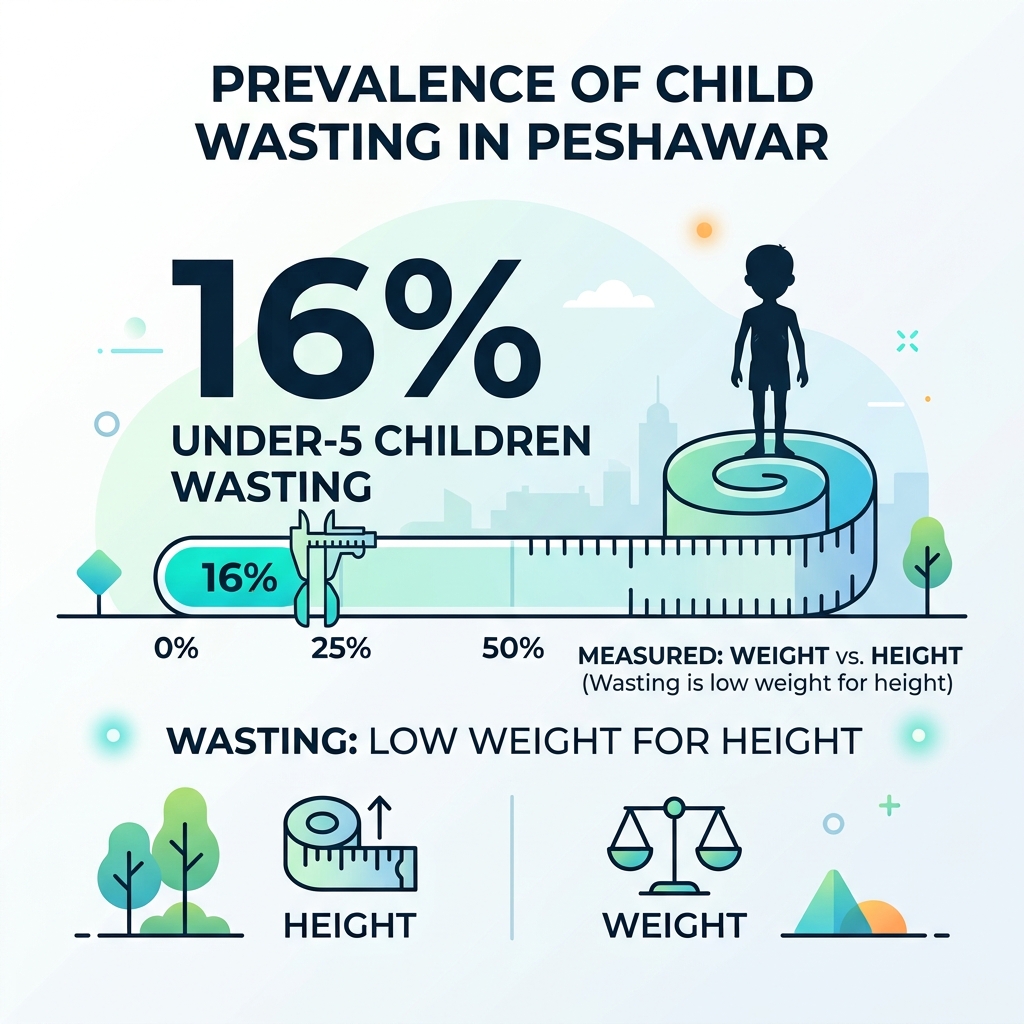
Children Wasting 16%
Literacy rate — 51.32%
Out-of-school children — 33.5%
Lacking safe drinking water — 18.40%
Youth unemployment — 10.2%
Annually registered crime cases — over 41,000
Lacking basic health facilities — over 50%
Lacking road connectivity — over 20%
No drainage and sanitation — 76% urban / up to 51% rural
Population below the poverty line — 14.5%
Children stunted growth — 39.3%
Children wasting — 16%
05
Districts
24
Tehsils
0
Population (2023 Census)
0
Area (km2)

Key challenges

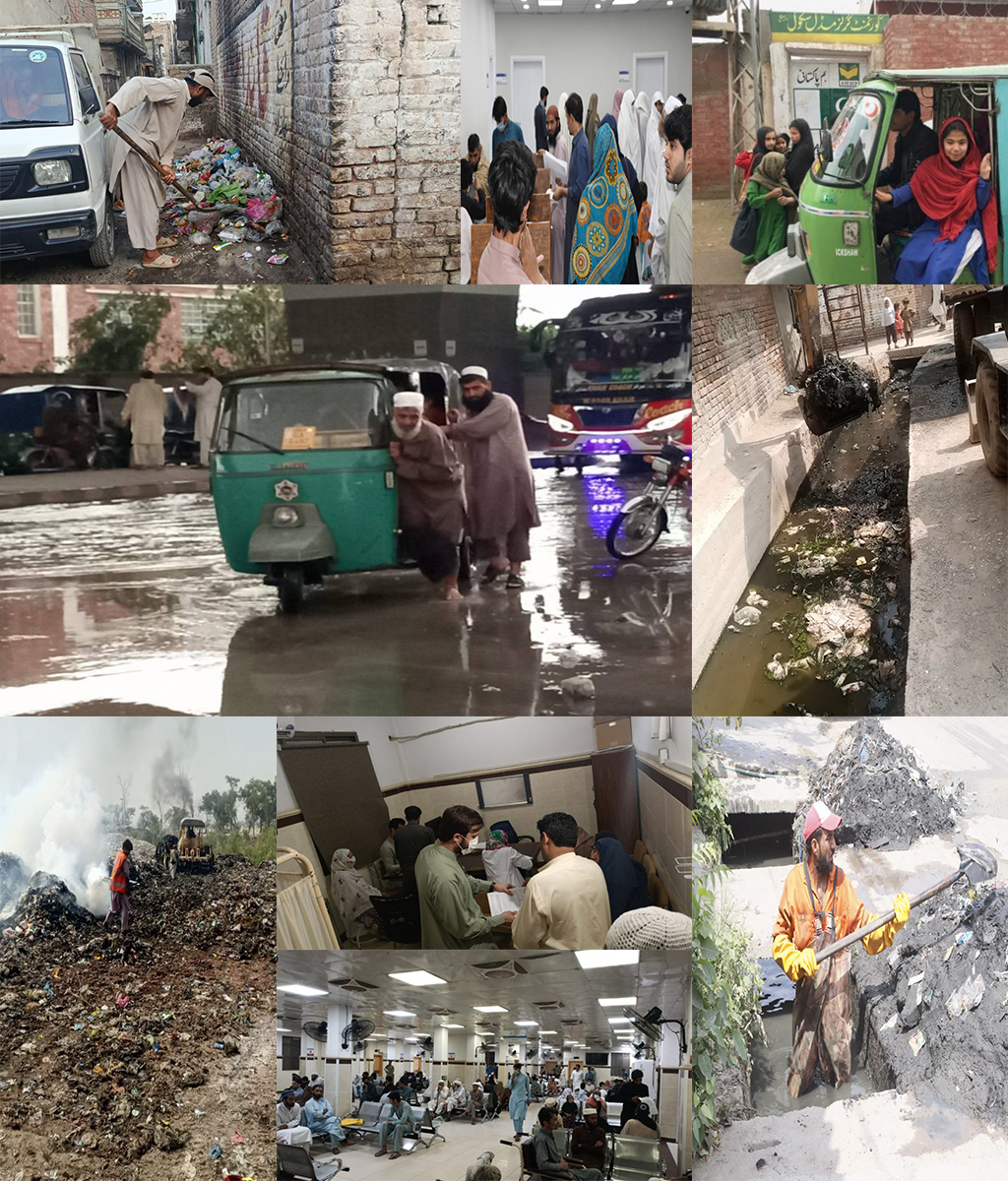
Peshawar Division is dealing with a web of deep rooted challenges from fragile healthcare and critical staff shortages to poor sanitation, unsafe drinking water, and limited education and job opportunities, collectively eroding public health and quality of life.
  • Health Overload:
    Healthcare facilities in the region are under severe pressure due to a growing population, resulting in overcrowded hospitals and inadequate medical services.
  • Education Shortfalls:
    The division faces a lack of quality educational institutions, insufficient teaching staff, and limited access to higher education opportunities.
  • Sewerage Pollution:
    Poor sewerage systems and ineffective waste management have led to environmental pollution, posing serious health risks to residents.
  • Drinking Water:
    Access to clean and safe drinking water remains a major concern, with many areas relying on contaminated or insufficient water sources.
  • Employment Challenges:
    Limited industrial development and job opportunities have contributed to rising unemployment and economic instability in the region.
  • Budget Allocation:
    In an outstanding disparity, peripheral sub-districts and community school infrastructures within Peshawar Division face chronic fund drops, while mega transit links and centralized infrastructure projects centered in the capital command a dominant, disproportionate share of the regional development chest.
Key challenges in Hazara Division

Governance Deficits

Poverty Rate

Compared to global benchmarks, Peshawar faces an exceptionally deep poverty and vulnerability challenge.

Peshawar
11%
Lahore
10% overall poverty rate

Poor Road Infrastructure

Peshawar Division’s secondary inter-district links and farm-to-market pathways are heavily weakened due to heavy international freight and flooding, with severe cargo-induced pavement damage and chronic central urban gridlock.

Drinking Water

Peshawar Division faces a critical drinking water quality and access deficit.

Inactive Filtration Plants:

Peshawar
38%
Lahore
28%

Sewerage Overload

Peshawar Division faces a severe capacity shortfall, with most sewage discharged untreated into rivers, canals, and open land.

Operational Wastewater Treatment Plants:

Peshawar
(1/4) 25% (1 out of 4 plants functional, others abandoned)
Lahore
124/124 (100% Operational)

Health Indicators

Stunted Growth & Wasting

Child malnutrition metrics in Peshawar’s peripheral districts represent a severe humanitarian emergency.

Stunted

Peshawar
39%
Lahore
28%

Wasting

Peshawar
16%
Lahore
7.7%

Beds per 1,000 people

The availability of hospital beds in Peshawar Division is critically deficient relative to its large population.

Peshawar
0.61
Lahore
1.2

Teaching & Specialized Hospitals

Peshawar's specialized medical centers suffer from severe overcrowding due to over-centralization

Peshawar
6
Lahore
20

Child Health Crisis

Mortality rates for young children in Peshawar’s remote and riverine tehsils remain alarmingly high.

Infant Mortality (per 1,000 live births)

Peshawar
53.2
Lahore
44

Child Mortality (per 1,000 live births)

Peshawar
81
Lahore
52

Health Professionals per 1,000

The regional medical workforce in Peshawar is severely understaffed, hindering safe service delivery.

Peshawar
0.52
Lahore
1.46

Education shortfalls

Out of School Children

Peshawar faces a profound structural crisis with hundreds of thousands of children left out of the classroom.

Peshawar
33.5%
Lahore
21.73%

Net Enrolment Rate

Peshawar’s institutional student enrollment gaps limit its youth’s transition into the modern workforce.

Peshawar
51%
Lahore
70%

Access to Schools

Physical access to school infrastructure drops significantly outside the metropolitan hub.

Peshawar
59%
Lahore
90%

Judicial Stats

Peshawar High Court

At the Peshawar High Court, approximately 23,624 cases pertaining to the Peshawar Division are pending, reflecting severe bottlenecks for regional litigants.

Lower Courts (Peshawar Division)

In the lower courts of the Peshawar Division, approximately 34,120 criminal cases and 71,450 civil cases are currently pending.

Consequently, the total number of pending cases in the lower courts of the Peshawar Division amounts to 105,570.

Annually Registered Crime Cases

On average, over 41,000 crime cases are registered annually in the Peshawar Division as overextended law enforcement struggles to manage high registration rates.

Global Comparison:

  • Pakistan: 241.5 million people with 04 provinces
  • India: Had 9 states at independence; now has 37. New states are created every five years, doubling the pace of development.
  • China: 1.4 billion people with 31 provinces.
  • USA: 320 million people with 50 states.
  • Indonesia: 275 million people with 34 provinces.
  • Russia: 142 million people with 70 to 75 provinces.

More Videos

Chat with Us